
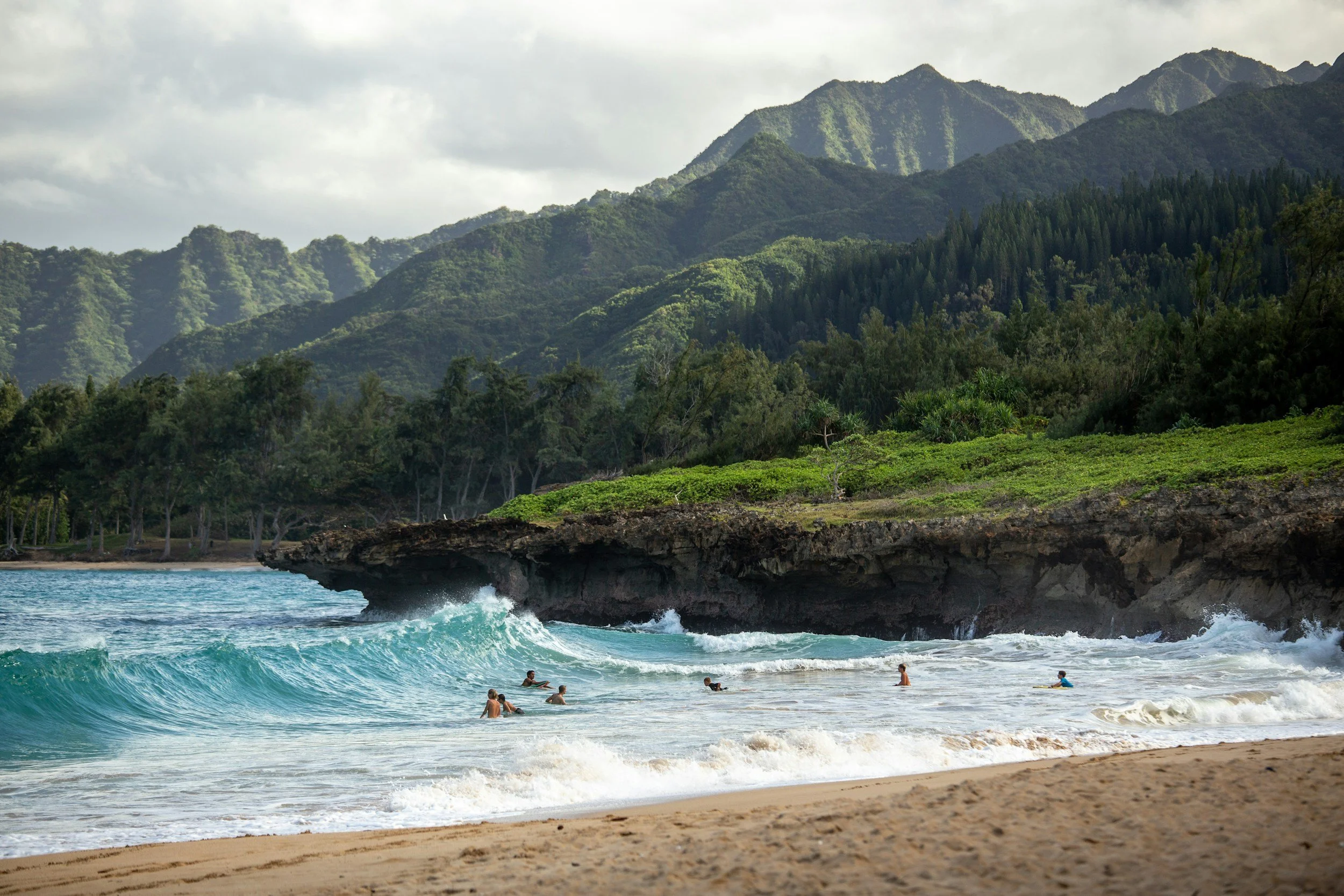

Why winter is Hawaii’s best season
Winter is whale season in Hawaii, and that alone makes it worth the trip. Humpbacks spend roughly December through April in Hawaiian waters, with the busiest stretch running from January into March, and the channels off Maui are especially good for spotting them. Watching a mother and calf surface from a small boat, or even from your lanai with your morning coffee, is one of those travel moments that kids of every age remember for years.
It's also one of the easiest warm-weather trips from the West Coast. There's no passport to renew, the flight is about five hours, and the islands are only two hours behind PST in winter, so nobody loses a day to jet lag. Daytime temperatures usually sit in the high 70s to low 80s with the ocean in the mid-70s, which is warm enough for long beach days without the heat that wears everyone down by mid-afternoon.
And it works for almost every kind of trip I plan: a family holiday with teens who want to surf and snorkel, a milestone birthday for two, or a multigenerational week where grandparents and grandkids can each find their own pace.
Choosing the right island (and the right side)
The one thing I tell everyone planning a winter trip is that which side of the island you stay on matters just as much as which island you choose, because winter brings more rain to the north and east shores and much bigger surf to north-facing beaches. Here's my quick take:
Maui is the best pick for whale watching, with beautiful resort areas in Wailea and Kaanapali, a sunrise drive up Haleakala, and plenty to keep families busy.
The Big Island's Kohala Coast is one of the sunniest, driest resort areas in the state, with a national park full of volcanic landscapes and a night snorkel with manta rays that teenagers love. Ideal for adventurous families and couples who want a little more space.
Kauai is lush, slower and quieter. In winter I steer clients toward the south shore around Poipu, where the weather is more reliable, and we see the Na Pali Coast by boat or helicopter.
Oahu brings the energy: the best food scene in the islands, Pearl Harbor, and North Shore big-wave season to watch (from the sand, not the water). Ko Olina makes a calm resort base, and Oahu pairs well with a second island for an island-hopping trip.
Lanai is the quiet island, with no traffic lights, one small plantation town and its resort side on the sunny south shore. It's best for honeymoons, milestone celebrations and families who want to truly unplug, though if your crew wants nightlife or lots of restaurants, Maui or Oahu will suit you better. Getting there is easier than most people expect, with a 20-minute flight from Honolulu or a ferry from Maui in a little over an hour, so it pairs beautifully with a few days on Maui.
A quick timing note: the holiday weeks, Presidents' Day week in mid-February, and spring break are the first to fill, especially for connecting rooms and suites, so if you're eyeing one of those windows, now is the time to start.
You might also like


